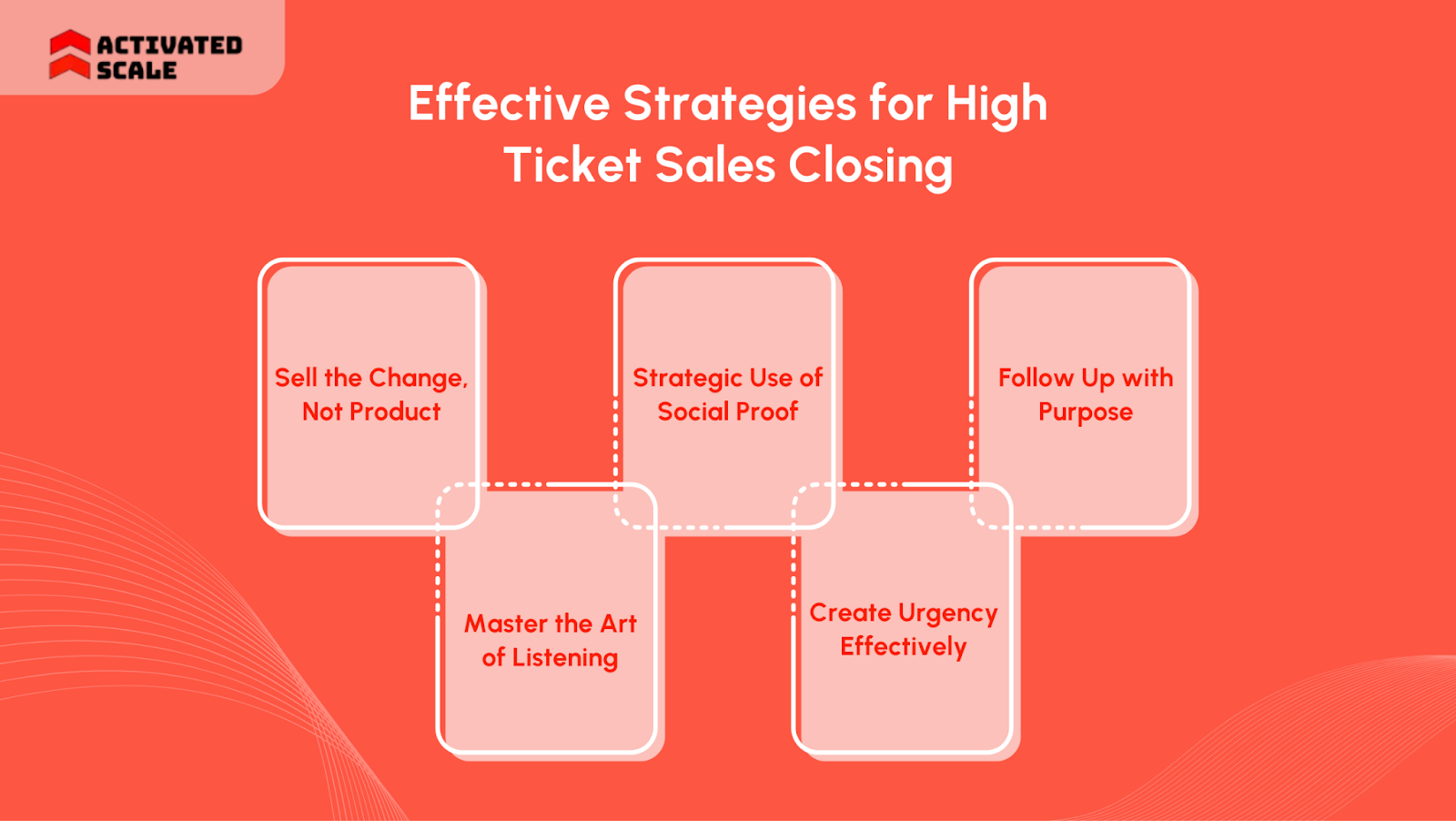
In today’s competitive digital landscape, agencies that rely only on low-cost, high-volume services often struggle with burnout, thin margins, and inconsistent cash flow. High-ticket offers flip this model. Instead of selling more to everyone, you sell more value to the right clients. For agencies, this is one of the fastest and most sustainable ways to scale revenue while working with fewer, better-fit clients.
This guide breaks down how agencies can create, package, price, and sell high-ticket offers that clients actually want to buy.
What Is a High-Ticket Offer?
A high-ticket offer is a premium service package, usually priced anywhere from $2,000 to $25,000+, that solves a specific, high-impact business problem for a client.
Unlike basic services (like SEO audits or ad setup), high-ticket offers:
- Focus on outcomes, not tasks
- Are deeply specialized
- Include strategy, execution, and optimization
- Attract serious decision-makers
For agencies, this often means moving from “doing work” to driving measurable business results.
Why Agencies Should Shift to High-Ticket Offers
1. Better Clients, Fewer Headaches
High-ticket clients are typically more committed, responsive, and focused on ROI. They respect your expertise and process.
2. Higher Margins
Premium pricing allows you to hire better talent, invest in tools, and still maintain healthy profit margins.
3. Predictable Revenue
One $10,000 client can replace ten $1,000 clients—making cash flow easier to manage.
4. Stronger Authority & Positioning
Agencies with high-ticket offers are perceived as specialists, not vendors.
Step 1: Choose a High-Value Problem to Solve
The foundation of every successful high-ticket offer is a painful, expensive problem.
Ask yourself:
- What problem costs businesses the most money?
- What keeps founders or CMOs awake at night?
- What result would they gladly pay a premium for?
Examples of high-value problems:
- Inconsistent or low-quality leads
- Poor conversion rates despite high traffic
- Unprofitable ad spend
- Weak sales funnels
- Lack of scalable growth systems
The bigger and more urgent the problem, the higher you can price the solution.
Step 2: Niche Down (This Is Non-Negotiable)
High-ticket offers do not work for “everyone.”
Instead of:
“We help businesses grow online”
Go for:
“We help local service businesses generate 50–100 qualified leads per month using paid ads and conversion-focused landing pages.”
Niche down by:
- Industry (e.g., real estate, clinics, SaaS, eCommerce)
- Business size (startups, SMBs, enterprises)
- Specific goal (lead generation, scaling ads, retention)
Specialization increases perceived value—and pricing power.
Step 3: Package Outcomes, Not Services
Clients don’t buy SEO, ads, or funnels.
They buy growth, revenue, and clarity.
Instead of This:
- Facebook Ads Management
- Landing Page Design
- CRM Setup
Package It Like This:
“Client Acquisition System”
- Predictable lead flow
- Optimized conversion journey
- Automated follow-ups
- Monthly performance optimization
Your offer should clearly answer:
“What result will I get, and how fast?”
Step 4: Stack Value With a Signature Framework
High-ticket offers become more convincing when they follow a clear, repeatable framework.
For example:
- Audit & Diagnosis – Identify gaps and opportunities
- Strategy Blueprint – Custom growth roadmap
- Implementation – Ads, funnels, automation, content
- Optimization – Testing, tracking, and scaling
- Reporting & Insights – Clear ROI-focused reporting
Naming your framework makes your agency feel proprietary and premium—even if the tools are common.
Step 5: Price Based on Value, Not Hours
High-ticket pricing is value-based, not time-based.
Instead of thinking:
“How many hours will this take?”
Think:
“What is this result worth to the client?”
If your offer can:
- Generate $50,000 in new revenue
- Save 10–20 hours per week
- Replace a full-time hire
Then pricing it at $5,000–$15,000 becomes logical—not expensive.
Step 6: Reduce Risk With Strong Guarantees (Optional)
You don’t need guarantees, but risk reversal helps close high-ticket deals.
Examples:
- Performance-based milestones
- Clear KPIs and success metrics
- Exit options after 30 days
This shows confidence in your process and lowers buying resistance.
Step 7: Sell Through Conversations, Not Landing Pages
High-ticket offers are rarely sold through checkout buttons.
They’re sold via:
- Strategy calls
- Discovery sessions
- Consultative sales conversations
Focus on:
- Diagnosing the client’s real problem
- Quantifying the cost of inaction
- Positioning your offer as the logical solution
When done right, selling feels like helping—not pitching.
Common Mistakes Agencies Make
- Trying to sell high-ticket without a niche
- Listing features instead of outcomes
- Competing on price instead of expertise
- Over-delivering without clear boundaries
- Underpricing due to lack of confidence
Avoid these, and your high-ticket offer will stand out.
Final Thoughts
High-ticket offer creation isn’t about being expensive—it’s about being valuable, focused, and outcome-driven.
For agencies, this shift can mean:
- Fewer clients
- Higher profits
- Better work-life balance
- Stronger brand positioning
If you solve a painful problem for a specific audience with a clear system, clients will happily pay premium prices.